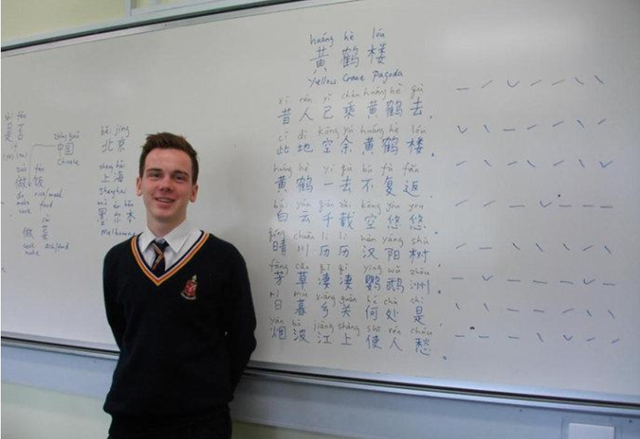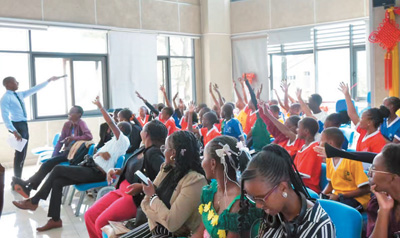
The countries with the most widespread use of Chinese globally have made significant contributions to the promotion of the Chinese language. From the multilingual integration in Singapore to Chinese language education in Malaysia, Thailand, Vietnam, and other regions, and the global enthusiasm for learning Chinese.
I. Singapore: The Linguistic Heart of the Chinese Community
Language Policy and Community Response: In Singapore, although English is the official language, the government also vigorously promotes mother tongue education such as Chinese. The Chinese community in Singapore actively participates in this policy, keeping the Chinese language vibrant locally.
The Influence of Chinese: Singapore is not only a key hub for Chinese language teaching and research in Southeast Asia but also globally. Its export of Chinese language education resources has a profound impact on global Chinese language education.
II. Malaysia: The Persistence of Chinese Language in a Multicultural Context
The Inheritance of Chinese Language Education: The Malaysian Chinese community has contributed to the preservation and dissemination of the Chinese language by defending and developing the Chinese primary school language curriculum.
The Formation of Local Chinese Characteristics: Over time, Malaysia has developed its own unique ways of expressing Chinese, enriching the diversity of the Chinese language.
III. Thailand: The Linguistic Bond of the Chinese Ethnic Group
Language Life of Thai Chinese: Thai Chinese use Chinese as the primary language for inter-ethnic communication, especially in Bangkok and other Chinese communities.
The Fusion of Thai and Chinese Cultures: Thai Chinese not only preserve their own language but also promote the exchange and integration of Thai and Chinese cultures.
IV Vietnam: New Trends in Chinese Language Education
The Evolution of Chinese Language Education Policy: The Vietnamese government's inclusion of Chinese in the basic education system reflects an awareness of the importance of the Chinese language.
China-Vietnam Cultural Exchange: With the promotion of Chinese language education, cultural exchanges between China and Vietnam will become more profound.
V. The Global Craze for Chinese
The Global Trend of Learning Chinese: The number of people learning Chinese worldwide is continuously increasing, and Chinese has become an important second language in many countries.
The International Influence of Chinese: The spread of Chinese has promoted cultural exchanges between China and other countries, enhancing the international influence of Chinese culture.
Countries such as Singapore, Malaysia, Thailand, and Vietnam have played a crucial role in promoting the Chinese language, while the global enthusiasm for learning Chinese reflects its status and influence as an international language. In the future, with the deepening of globalization, the international status of Chinese is expected to further rise.
The global dissemination of Chinese is not merely the spread of the language itself, but also the internationalization of Chinese culture, values, and ways of thinking. In this process, the policy choices of various countries, community efforts, and individual choices collectively shape the current distribution pattern of Chinese worldwide. By understanding the usage of Chinese in these countries, we can gain a deeper insight into the status and role of Chinese within the global multicultural landscape. At the same time, this reminds us that language learning and promotion is a two-way interactive process that requires respect and understanding of language usage habits in different cultural contexts. Ultimately, through language exchange and learning, we can foster understanding and dialogue among different cultures, contributing to a more harmonious world.